When you embark on a weight loss journey, the allure of rapid results can be incredibly tempting. You may find yourself drawn to the idea of shedding pounds quickly, envisioning a slimmer version of yourself in a matter of weeks.
Rapid weight loss typically refers to losing more than 2 pounds per week, which can often lead to a host of physical and psychological challenges. While the initial excitement of seeing the scale drop can be motivating, it’s essential to recognize that sustainable weight loss is a gradual process. You might be surprised to learn that many of the quick-fix diets and extreme exercise regimens can lead to more harm than good.
When you lose weight too quickly, your body may not have enough time to adjust, leading to muscle loss, nutritional deficiencies, and a slowed metabolism. Additionally, the psychological impact of rapid weight loss can be significant. You may experience feelings of deprivation or frustration when the initial results plateau, which can lead to unhealthy eating patterns or even binge eating.
Understanding these dynamics is vital as you navigate your weight loss journey, allowing you to make informed decisions that prioritize your long-term health over short-term gains.
Key Takeaways
- Rapid weight loss can be achieved through a combination of diet, exercise, and mindset changes, but it’s important to do it in a healthy and sustainable way.
- Setting realistic goals is crucial for long-term success in weight loss, as it helps to stay motivated and avoid disappointment.
- Nutrition and diet play a key role in rapid weight loss, focusing on a balanced and sustainable approach that includes a variety of nutrients and food groups.
- Exercise and physical activity are essential for rapid weight loss, as they help to burn calories, build muscle, and improve overall health and fitness.
- Mindset and mental health are important factors in rapid weight loss, as they can impact motivation, self-esteem, and overall well-being. Seeking professional support, such as a nutritionist, personal trainer, or therapist, can provide valuable guidance and accountability in achieving rapid weight loss goals.
Setting Realistic Goals
Grounding Your Aspirations in Reality
As you set out on your weight loss journey, establishing realistic goals is paramount. You may feel inspired to aim for an ambitious target, but it’s essential to ground your aspirations in reality. Setting achievable goals not only helps maintain motivation but also fosters a sense of accomplishment as you progress.
Looking Beyond the Scale
Instead of focusing solely on the number on the scale, consider setting goals that encompass various aspects of your health and well-being. For instance, you might aim to incorporate more fruits and vegetables into your diet or commit to exercising three times a week. Moreover, breaking down your larger goals into smaller, manageable milestones can make the process feel less daunting.
Celebrating Small Victories
You could set weekly or monthly targets that allow you to celebrate small victories along the way. This approach not only keeps you motivated but also helps you develop healthier habits that can last a lifetime. Remember, weight loss is not just about reaching a specific number; it’s about creating a healthier lifestyle that you can maintain in the long run.
Embracing the Journey
By setting realistic and holistic goals, you empower yourself to embrace the journey rather than fixate solely on the destination.
Nutrition and Diet
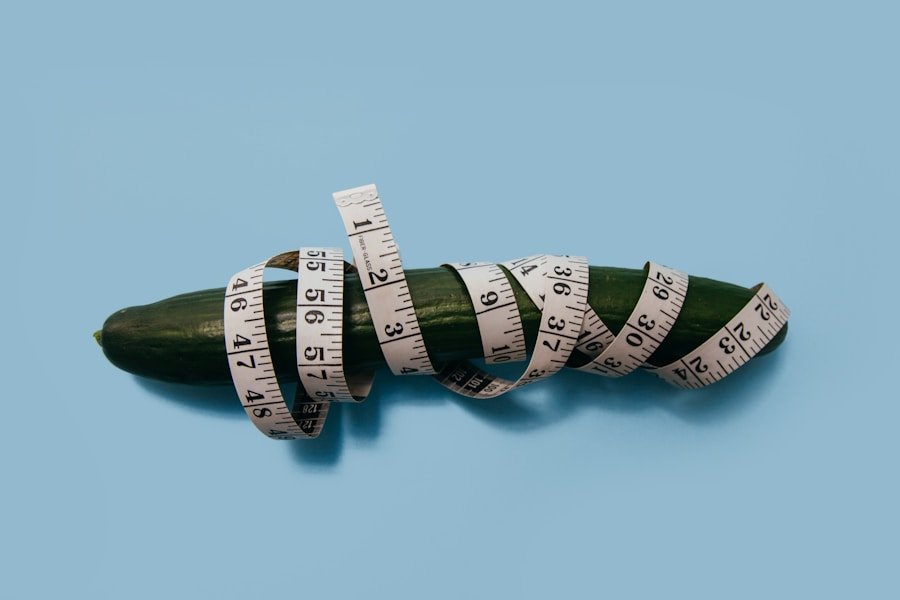
When it comes to weight loss, nutrition plays a pivotal role in your success. You may have heard countless diets promising miraculous results, but understanding the fundamentals of nutrition is key to making informed choices. A balanced diet rich in whole foods—such as fruits, vegetables, lean proteins, and whole grains—can provide your body with the nutrients it needs while supporting your weight loss efforts.
Instead of resorting to restrictive diets that eliminate entire food groups, focus on moderation and variety. This approach not only nourishes your body but also makes your meals more enjoyable. You might also consider keeping a food journal to track your eating habits and identify areas for improvement.
By documenting what you eat and how it makes you feel, you can gain valuable insights into your relationship with food. This practice can help you recognize patterns, such as emotional eating or mindless snacking, allowing you to make conscious choices that align with your goals. Additionally, staying hydrated is often overlooked but is crucial for overall health and weight management.
Drinking enough water can help control hunger and improve your metabolism, making it an essential component of your nutrition strategy.
Exercise and Physical Activity
| Country | Percentage of Adults Meeting Physical Activity Guidelines |
|---|---|
| United States | 23% |
| United Kingdom | 35% |
| Australia | 55% |
| Canada | 26% |
Incorporating regular exercise into your routine is another vital aspect of successful weight loss. You may find that engaging in physical activity not only helps burn calories but also boosts your mood and energy levels. The key is to find activities that you genuinely enjoy, as this will make it easier to stick with them over time.
Whether it’s dancing, hiking, swimming, or joining a local sports team, discovering what you love can transform exercise from a chore into a rewarding experience. It’s also important to strike a balance between cardiovascular exercises and strength training.
You might consider incorporating both types of exercise into your weekly routine for optimal results. Additionally, don’t underestimate the power of everyday activities; simple changes like taking the stairs instead of the elevator or going for a walk during lunch breaks can significantly contribute to your overall physical activity levels.
Mindset and Mental Health
Your mindset plays a crucial role in your weight loss journey. You may encounter challenges and setbacks along the way, but cultivating a positive attitude can make all the difference in how you respond to these obstacles. Embracing self-compassion and understanding that progress is not always linear can help you navigate the ups and downs with grace.
Instead of being overly critical of yourself when things don’t go as planned, practice self-encouragement and remind yourself of the hard work you’ve put in. Additionally, prioritizing mental health is essential for maintaining motivation and resilience throughout your journey. You might explore mindfulness practices such as meditation or yoga to help manage stress and improve your overall well-being.
These practices can enhance your awareness of emotional triggers related to food and help you develop healthier coping mechanisms. Remember that weight loss is not just a physical transformation; it’s also an opportunity for personal growth and self-discovery. By nurturing both your body and mind, you set yourself up for lasting success.
Seeking Professional Support
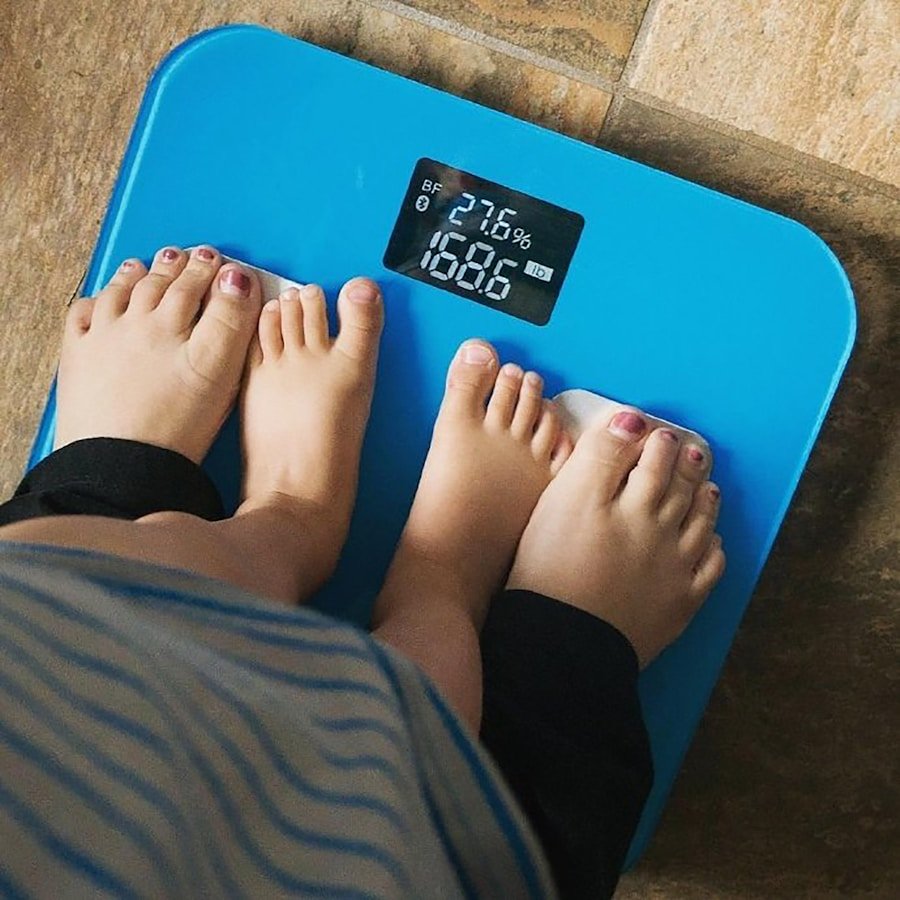
As you navigate your weight loss journey, seeking professional support can be incredibly beneficial. You may find that working with a registered dietitian or a certified personal trainer provides you with personalized guidance tailored to your unique needs and goals. These professionals can help you develop a sustainable nutrition plan and exercise regimen that aligns with your lifestyle while ensuring you meet your nutritional requirements.
Moreover, consider joining support groups or online communities where you can connect with others who share similar goals. Sharing experiences, challenges, and successes with like-minded individuals can foster a sense of accountability and encouragement. You might also explore therapy or counseling if you find that emotional factors are impacting your relationship with food or body image.
Professional support can provide valuable insights and strategies to help you overcome obstacles and stay focused on your long-term objectives. In conclusion, embarking on a weight loss journey requires careful consideration of various factors that contribute to success. By understanding rapid weight loss, setting realistic goals, prioritizing nutrition and exercise, nurturing a positive mindset, and seeking professional support when needed, you empower yourself to create lasting change in your life.
Remember that this journey is not just about losing weight; it’s about embracing a healthier lifestyle that enhances your overall well-being. With patience and perseverance, you can achieve your goals while fostering a positive relationship with yourself and your body.
If you’re looking for a fast way to lose weight as a woman, you may also be interested in learning about the best fitness trackers to help you stay on track with your health goals. Check out this article for top picks in fitness trackers that can assist you in reaching your weight loss goals.
FAQs
What is the fastest way for women to lose weight?
The fastest way for women to lose weight is through a combination of a healthy diet and regular exercise. This includes consuming a balanced diet with plenty of fruits, vegetables, lean proteins, and whole grains, as well as engaging in regular physical activity.
Is it safe for women to lose weight quickly?
Losing weight quickly can be safe for some women, but it is important to do so in a healthy and sustainable manner. Rapid weight loss can lead to muscle loss, nutrient deficiencies, and other health issues. It is recommended to aim for a gradual and steady weight loss of 1-2 pounds per week.
What are some effective exercises for women to lose weight quickly?
Effective exercises for women to lose weight quickly include high-intensity interval training (HIIT), strength training, cardio exercises such as running or cycling, and activities like swimming or dancing. It is important to find exercises that are enjoyable and sustainable for long-term weight loss.
Are there any specific diets that can help women lose weight quickly?
There are various diets that can help women lose weight quickly, such as the Mediterranean diet, the DASH diet, and the ketogenic diet. However, it is important to consult with a healthcare professional before starting any new diet to ensure it is safe and suitable for individual needs.
What are some healthy habits that can aid in quick weight loss for women?
Some healthy habits that can aid in quick weight loss for women include staying hydrated, getting enough sleep, managing stress levels, and practicing mindful eating. Additionally, keeping a food journal, planning meals ahead of time, and avoiding processed foods can also support weight loss efforts.